

A dream about a doll or clown can be unsettling, funny or familiar. The image alone does not establish a hidden meaning, diagnose a condition, reveal forgotten trauma or predict an event. This guide offers optional questions about your own associations, rather than a fixed dream-symbol code.
Start with what you remember: what happened, how you felt and what the figure reminded you of. Keep those observations separate from explanations you consider afterwards. You do not need to find a message in every dream.
What did the doll or clown mean to you?

Dolls: memories, objects and personal associations
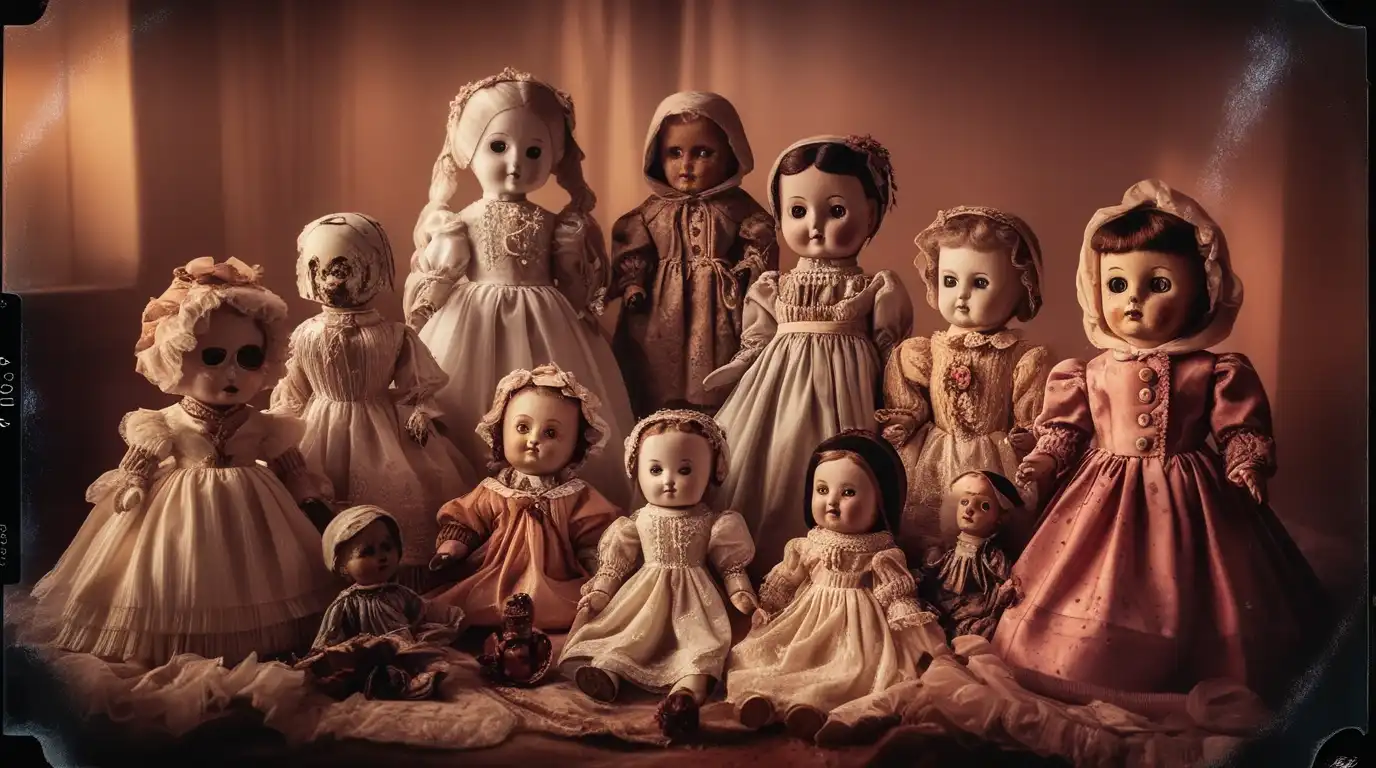
A doll might remind one person of a favourite toy and another of a film, collection or uncomfortable experience. You may have no clear association at all. A useful question is, “What did this particular doll remind me of?” rather than, “What do dolls always mean?”
If the doll was broken, talking or moving, describe that scene first. Those details do not show that you are emotionally broken, controlled by someone or required to recover a childhood memory. Do not use a dream as evidence that an event happened.
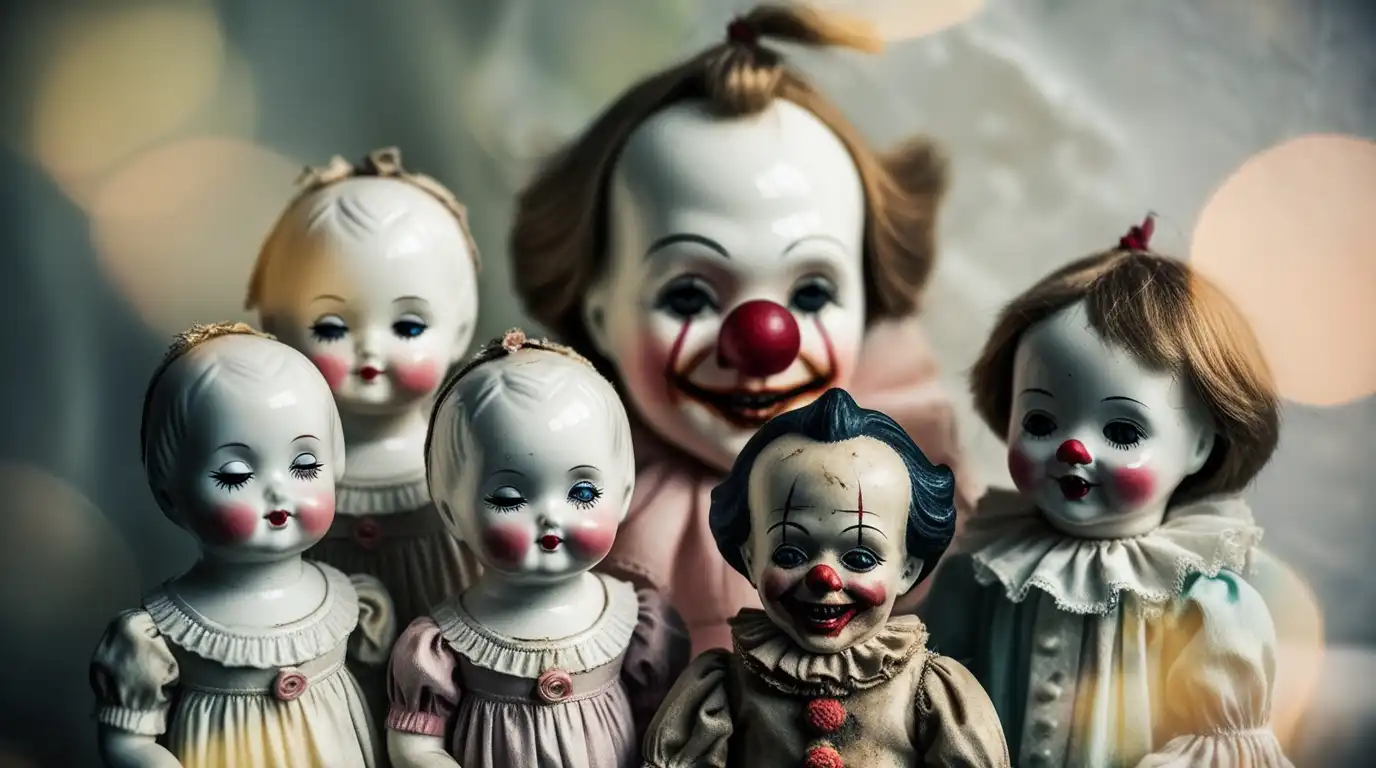
Clowns: distinguish the character from the feeling
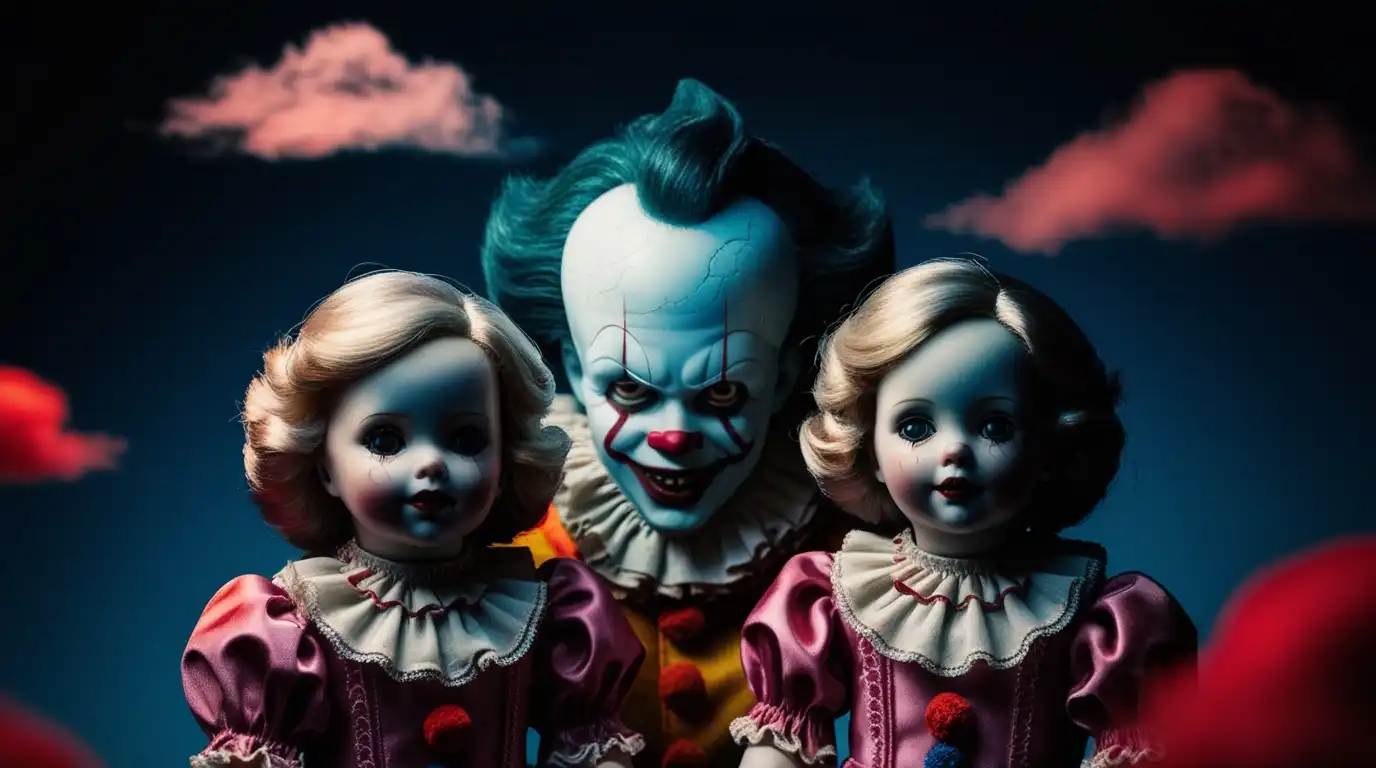
A clown could be a performer, a toy or a fictional character in the dream. Dolls and clowns are not both necessarily inanimate. Note whether the figure was playful, threatening, silent or simply present, and whether your reaction changed during the scene.
Makeup, a mask or laughter does not establish deception in a real relationship. If a clown chased you, our guide to dreams about being chased considers the scene without treating it as a prediction of danger.


A scenario checklist without fixed meanings
Use this table to separate a remembered detail from an optional question. None of the suggestions is a diagnosis or a test of another person’s intentions.
| Remembered scene | Optional question | What it does not establish |
|---|---|---|
| A broken doll | Did it remind me of a particular object, story or feeling? | That you are damaged, or that childhood harm occurred. |
| A talking or moving doll | Was the surprising part amusing, frightening or neutral? | A supernatural presence or a recovered memory. |
| A clown chasing you | What do I remember about the pursuit and ending? | That someone is pursuing or deceiving you in waking life. |
| A laughing clown | Did I feel included, embarrassed, amused or something else? | That people are secretly mocking you. |
| Holding a doll | Was this familiar, comforting, awkward or unimportant to me? | A universal wish, obligation or future event. |

Two fictional examples: the same image, different contexts
Fictional example A: Someone remembers a clown at a party and feeling happy. They also remember recently watching a comedy. “There was a clown; I felt happy” is the dream recollection. “Perhaps the programme influenced it” is an optional explanation, not a proven cause.
Fictional example B: Someone remembers a clown in a corridor and feeling afraid, but cannot recall the ending. They leave that gap unfilled. They may consider a recent frightening story, or find no connection. The scene does not establish an actual threat or an underlying disorder.
These are invented examples of careful note-taking, not case histories, clinical evidence or claims about every dreamer.
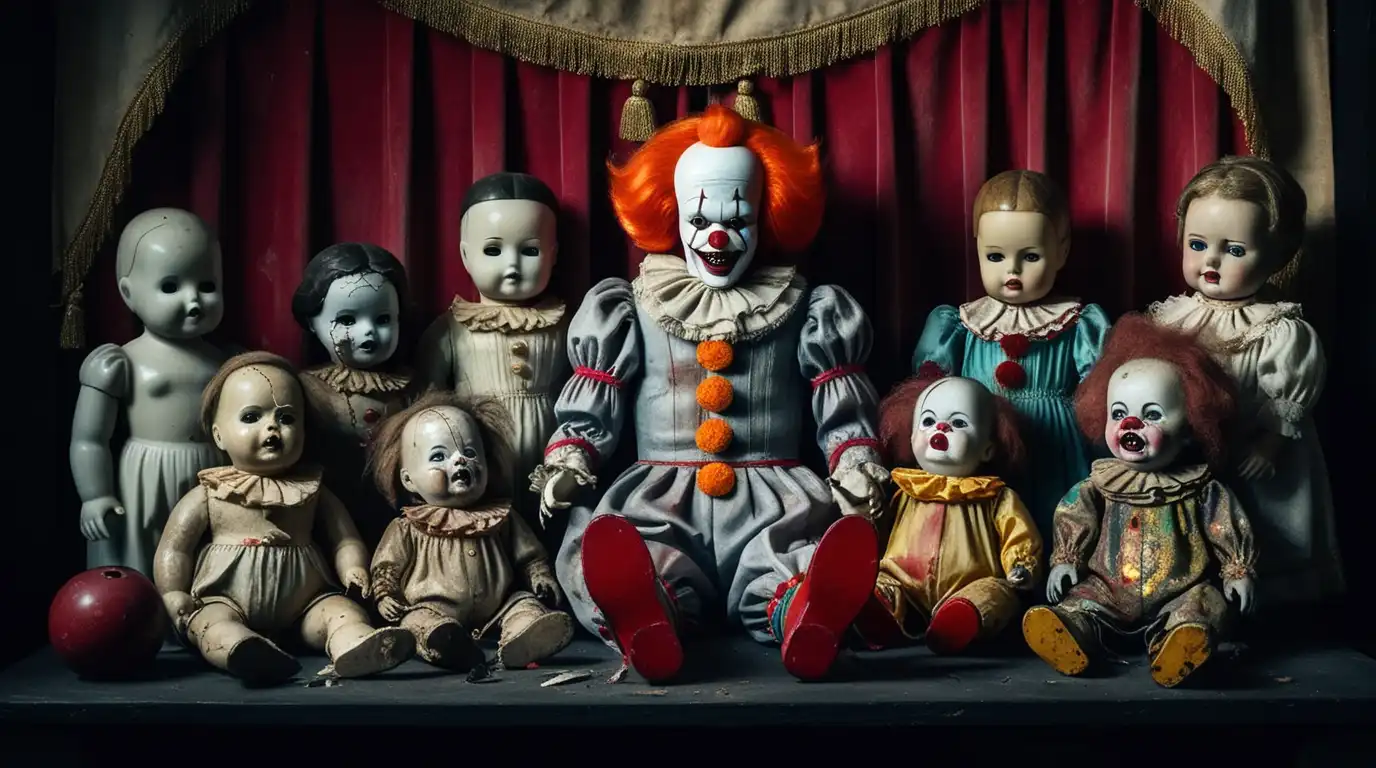
Psychological interpretation: keep the limits clear
Words such as “inner child”, “shadow” or “repression” can appear in interpretations. Applying one of these labels to a doll or clown does not validate it for your dream. This article does not provide a psychological assessment or evidence that a specific symbol reveals trauma, hidden anger or a personality trait.
Focus on feelings you actually noticed rather than being told what you must feel. Our Achilles-injury dream guide likewise separates a possible personal metaphor from a diagnosis or prediction.
Spiritual, biblical and religious questions
You may choose to reflect within your own faith or cultural tradition. Label that as a personal or tradition-specific interpretation, and ask which text or teaching supports it. This guide has not established a biblical rule that dreaming of a doll means idolatry, or that a clown is a divine warning.
A frightening scene is not proof of possession, a supernatural message or someone else’s wrongdoing. You can discuss your feelings with a trusted person without treating a dream interpretation as a command or factual accusation.
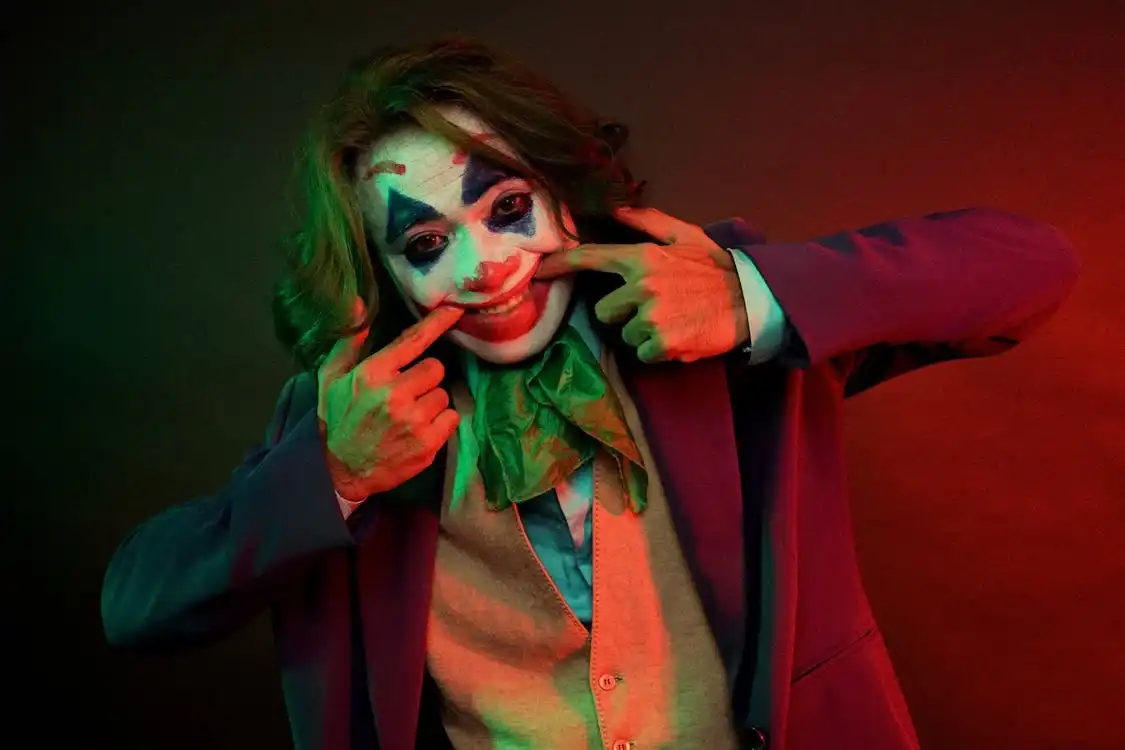
Relationships: use waking evidence
A doll that seems artificial or a clown that appears unfriendly does not identify a dishonest person. If you have a real concern about a relationship, consider what happened while awake and the support you need. Do not use a dream alone to accuse someone of abuse, manipulation or betrayal.
Mixed feelings can also remain unresolved. “I felt uneasy in the dream” is a useful description; “therefore my friend is dangerous” goes beyond the evidence.
A brief, optional reflection
If you want to make a private note, write the remembered scene, the feeling and any uncertain details. Put possible associations in a separate sentence beginning “This reminds me of…”. It is acceptable to write “I don’t know” or to stop.
Do not force yourself to reconstruct missing memories or continue if the exercise is upsetting. You do not need to share a private dream publicly. For another example of context rather than a fixed symbol, see dreaming about losing a phone.
Frequently asked questions
Why do I dream of creepy dolls?
The image alone cannot tell us why. You can consider your own memories and recent experiences, but a creepy doll is not evidence of childhood trauma or a hidden disorder.
What does a clown chasing me mean?
Record the pursuit, feelings and ending if you remember them. A personal association is optional; the dream does not establish danger, deception or a future event.
Are clown dreams always bad?
No fixed positive or negative meaning applies. Your own reaction may be amused, afraid, neutral or mixed, and it may change within the dream.
Does a broken doll mean I am emotionally broken?
No. That conclusion cannot be drawn from a dream image. You may explore what the object reminded you of without using it as a judgement about yourself.
Can a doll represent someone I know?
You may personally associate it with someone. That association does not reveal their intentions or prove anything about the relationship.
Is there a biblical warning about dolls or clowns in dreams?
This guide has not established a specific textual basis for that claim. Distinguish a personal religious reading from a verified statement about scripture or a prediction.
What if the dream keeps happening?
Repetition does not prove a symbolic explanation. If regular nightmares affect your sleep or everyday life, the NHS guidance on night terrors and nightmares advises seeing a GP. It also discusses a relaxing bedtime routine and a sleep diary. This is general sleep guidance, not validation of doll or clown symbolism or a claim that dream interpretation is treatment.
What you can take away
Describe the experience before interpreting it. Keep any associations tentative, leave uncertain memories uncertain and base decisions about health, safety and relationships on waking evidence. There is no requirement to decode the dream.
Originally posted 2024-09-23 10:26:37.
